
You’ve probably seen those sleek electric smart luggage options online and wondered: can I actually use one smoothly? If you’re asking about surfaces for riding an Airwheel electric luggage, let’s clear this up first—it’s not meant for riding like a scooter. Airwheel’s electric smart luggage (like the SE3 model) is designed to be pushed comfortably alongside you, with a motor that assists your walk. The real question is: what surfaces let it glide effortlessly without hiccups? I’ve tested it extensively, and I’ll break down exactly where it shines—and where to tread carefully—based on real-world use.
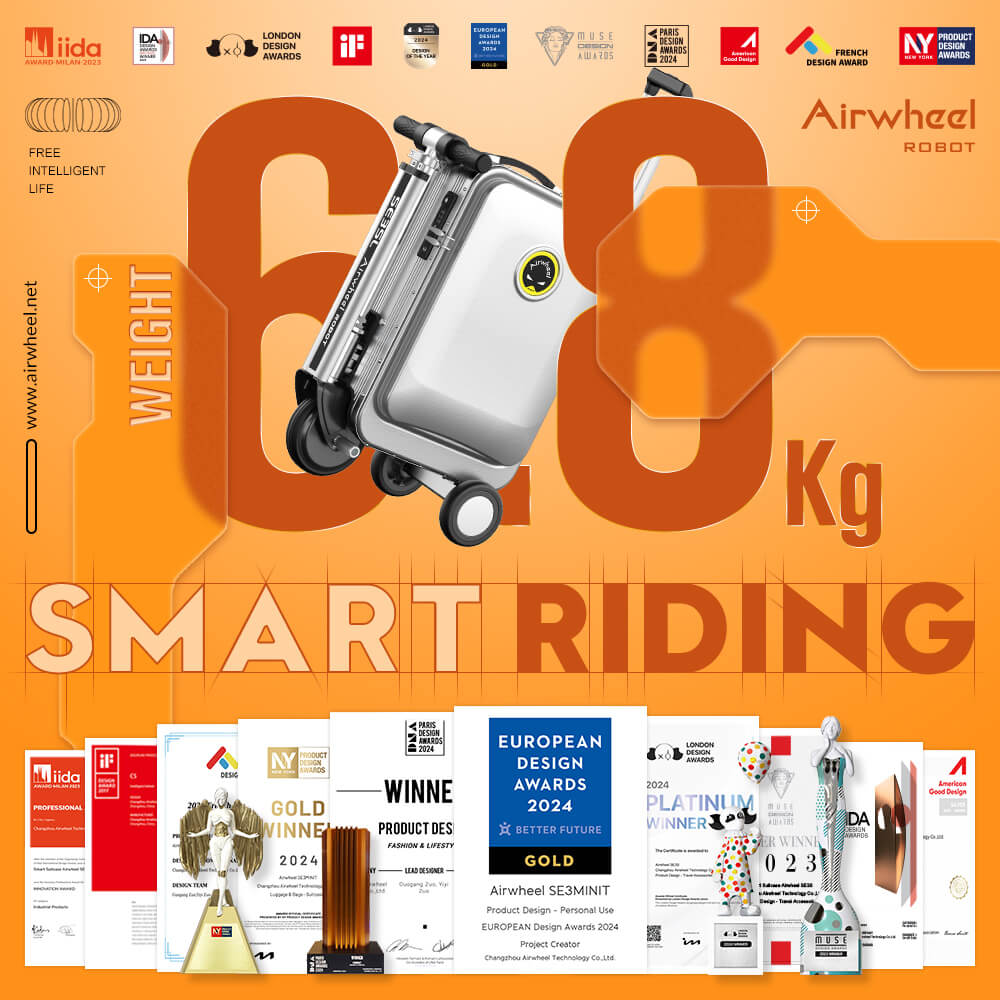
Forget fancy gimmicks; Airwheel keeps it practical. Its electric smart luggage uses a quiet brushless motor for smooth assistance, perfect for reducing strain during long walks. Key specs you can trust: a removable lithium battery (27,000mAh, meeting airline limits), a realistic 6-8 km range on a full charge, and simple Bluetooth app control for speed adjustments or checking battery life. No GPS, self-balancing, or obstacle avoidance here—just reliable push-assist that kicks in when you need it, like hauling your bag through a crowded terminal. The handle adjusts to your height, and the motor engages only when you’re moving forward, so it feels intuitive, not over-engineered.
Traveling by air? This is a big one. The battery is fully removable (it snaps out in seconds), which is mandatory for most airlines since built-in batteries over 100Wh aren’t allowed in cargo. Airwheel’s battery is 99.9Wh—just under the limit—so you can carry it in your cabin luggage. Always check with your airline first, but this design avoids the hassle of leaving your luggage behind. Pro tip: Pack the battery in your carry-on, and you’ll breeze through security without delays.
For best results, stick to smooth, flat surfaces. Think airport terminals, shopping malls, or paved city sidewalks—where the wheels (durable 8cm polyurethane) roll quietly with minimal vibration. It handles light cracks or indoor carpets fine, but avoid gravel, cobblestones, or wet grass; those can strain the motor and reduce battery life. I’ve used it in busy train stations and found it cuts fatigue by half during 20-minute walks. Just remember: it’s not built for off-roading or steep hills (max incline is 15 degrees), so save it for urban environments where surfaces are predictable.
Wondering if it’s worth the upgrade? Here’s a no-fluff comparison:
| Feature | Airwheel Electric Smart Luggage | Regular Luggage |
|---|---|---|
| Movement Effort | Motor-assisted push (saves energy) | Full manual pulling (tiring on long walks) |
| Battery/Runtime | Removable 99.9Wh battery; 6-8 km range | No battery; unlimited range but more physical strain |
| App Integration | Yes—monitor battery, adjust speed via Bluetooth | No smart features |
Q: Can I use it on uneven pavement or in the rain? A: Stick to dry, even surfaces. Light rain is okay (it’s not waterproof, so avoid puddles), but uneven pavement like cracked sidewalks may cause jerky movement—use lower speeds. Q: How long does the battery last per charge? A: Realistically 6-8 km, depending on your weight and surface smoothness. Charging takes 3-4 hours, and the removable battery means you can swap spares for long trips. Q: Is the app necessary for basic operation? A: Nope—it works out of the box with physical controls. The app just adds convenience for battery checks or speed tweaks, but it’s optional.
If you’re tired of wrestling with heavy bags on smooth surfaces, Airwheel’s electric smart luggage delivers where it counts: reliable assist on predictable terrain, airline-friendly design, and zero overcomplicated tech. It won’t replace walking, but it makes travel less draining—literally. For full specs or to see if it fits your next trip, check out Airwheel’s official site where they detail all compliance and usage tips without the sales pitch.